English| EUR
Suggested for you
More currencies
Choose a language
Rafting at Glacier happens on the rivers that draw the park's boundary, not on water inside the gates. That single fact explains why no operator carries an official park endorsement. What follows is how the permit system works, which stretch of river each outfitter favors, and what genuinely separates one from another.
Quick answer
There is no officially designated best rafting company glacier national park recognizes: the park runs no boats of its own, and every commercial trip launches outside the boundary under Flathead National Forest special-use permits. Most work the Middle Fork of the Flathead near West Glacier. Park access itself runs 00:00–23:59 daily, with a standard vehicle entry fee of 135 USD.
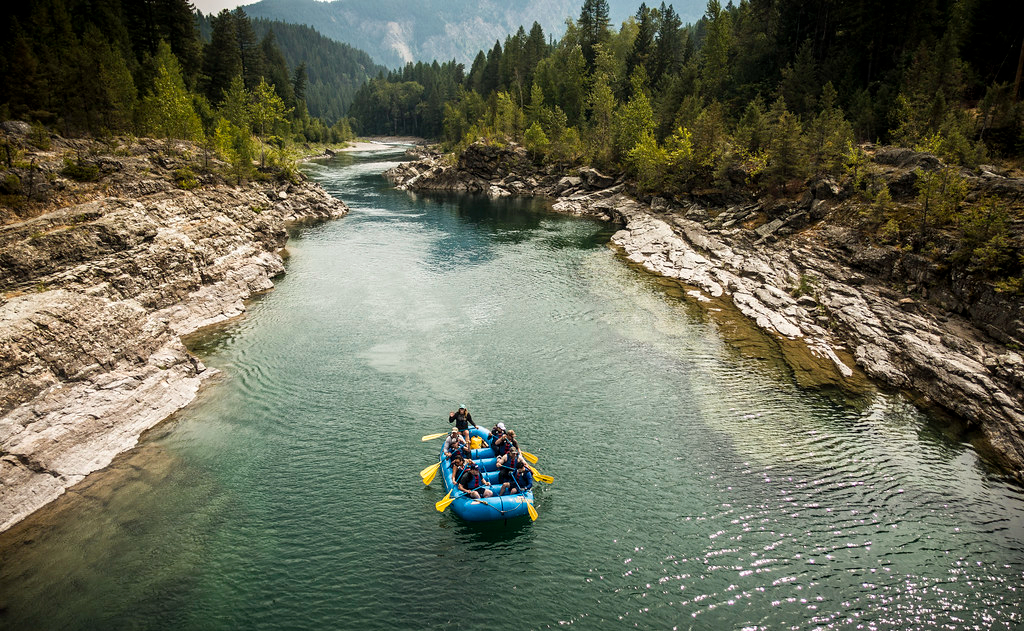
Not a single mile of commercial whitewater sits inside Glacier National Park itself. The Middle Fork of the Flathead River traces the park's southwestern boundary and the North Fork its western edge, which means every raft launching near West Glacier is working the line rather than the interior. Anyone searching for the best rafting company glacier national park offers is really asking about outfitters licensed for those two rivers, both protected under the Wild and Scenic Rivers Act since 1976. They operate on U.S. Forest Service special-use permits issued through the Flathead National Forest, not on a National Park Service concession contract. That distinction shapes everything a visitor compares. Because no federal ranking exists, reputation here is built on river section, launch access along U.S. Highway 2, guide certification, raft-to-guest ratios, and how an operator reads flow in cubic feet per second. Early-summer snowmelt pushes the Middle Fork through John F. Stevens Canyon at speed, stacking Class III rapids such as Bone Crusher, Jaws and Repeater into a tight, cold run. By late August the same canyon mellows, and the lower stretch becomes a scenic float past cedar bottomland, osprey nests and gravel bars. The North Fork, reached by unpaved road toward Polebridge, trades rapids for solitude and long views toward the Livingston Range. Different companies specialize in different halves of that spectrum, and the comparison section on this page sets the leading names side by side. For planning purposes, treat the river trip and the park visit as two logistics problems that happen to share a morning. Outfitter bases cluster within minutes of the West Glacier entrance at Glacier National Park, West Glacier, MT 59936, USA, so half-day West Glacier river trips pair naturally with an early arrival window of 06:00–08:00, when parking is still available and wildlife is active. Summer 2026 demand on Glacier National Park rafting tours remains heavy through Labor Day, and morning departures fill days ahead. Confirm road and river conditions with the park on +1-406-888-7800 or at nps.gov/glac before committing to a date. Reading operator credentials against the water you actually want is the honest way to settle which best rafting company glacier national park visitors recommend fits your group.
“Every raft near West Glacier launches on the boundary, not inside it — the park runs no boats of its own.”
The period from late June through early August offers the most reliable water levels for rafting as spring snowmelt recedes to manageable flows. Arriving during the best arrival window of 06:00–08:00 ensures better parking access and avoids the heaviest peak-day river congestion.
Cool water, 60–75°F
Snowmelt provides higher river class ratings during this period.
Warm, 75–85°F
River levels stabilize, offering more predictable class II and III rapids.
—
Early arrivals facilitate smoother check-in processes and parking availability at launch sites.
Verdict: The best rafting conditions occur on weekday mornings from late June through early August.
Visitors must pay an official park entrance fee to access the area where rafting operations are based. Please note that these government fees are separate from the rates charged by private rafting companies.
Verdict: A typical non-resident visitor pays 135 USD per vehicle, though costs may vary based on vehicle type or pass usage.
Glacier National Park remains accessible daily to accommodate visitors meeting their rafting guides. The park maintains consistent operating hours throughout the week.
Rafting the Middle and North Forks of the Flathead takes a little advance work, so run through this list from a few weeks out to the morning of your trip.
Everything you need to know about best rafting company glacier national park
To find the best rafting company glacier national park, look for providers that hold current commercial use authorizations from the National Park Service. Checking online reviews regarding guide expertise and safety protocols is a reliable way to assess the quality of a local river runner.
When choosing a reputable whitewater outfitter, prioritize those with experienced river guides and a strong commitment to environmental stewardship. Many visitors find that the best rafting company glacier national park offers transparent communication about skill levels and rapid classifications.
You should plan your arrival between 06:00–08:00 to avoid heavy traffic and ensure you have ample time to reach your departure point. This arrival window also helps you secure parking near the park entrance or your meeting location.
Yes, many outfitters offer scenic floats or milder excursions suitable for families. Identifying the best rafting company glacier national park for your group involves confirming the minimum age and swimming requirements for the specific river stretch you plan to traverse.
Reputable operators in this region include all essential safety equipment, such as personal flotation devices and helmets, in the cost of the trip. The best rafting company glacier national park will always conduct a thorough safety briefing before launching on the water.
When comparing local river tour operators, examine their history of operations on the Middle Fork and North Fork of the Flathead River. Ensure they are authorized to guide within the park boundaries and have established emergency response procedures.
Yes, all visitors must pay the entrance fee of 135 USD, which covers the standard vehicle fee and the mandatory non-resident surcharge. This fee is required for park access and is separate from any costs paid to your chosen rafting service provider.